How to Release a Secret You’ve Been Keeping (Without Telling Anyone)
How can I release my Secret
Some secrets cannot be shared safely. Some involve another person’s privacy. Others are tangled in shame, grief, loyalty, fear, or consequences you are not ready to face. You may have typed I have a secret I can’t tell anyone into a search bar because carrying it alone has become exhausting—but telling someone still does not feel possible.
Here is the important distinction: telling a secret and releasing its emotional weight are not the same thing.
You may disclose it one day, or you may not. Either way, private writing, symbolic rituals, and reflection can move it from an endless mental loop into a form you can observe and put down.
This guide explains how to release a secret without telling anyone, while also recognizing the situations in which confidential professional help may be the safest next step.
A gentle note: These practices are tools for reflection and emotional grounding. They are not substitutes for mental-health care, legal advice, medical care, or emergency support.
The Short Answer
To release a secret without telling anyone, write about the emotion rather than the identifying details, choose what you are ready to let go of, and mark the decision with a safe ending—such as shredding the page, soaking it in water, or completing a candle reflection. The aim is not to erase the past. It is to reduce rumination, clarify what belongs to you, and identify whether you need repair, boundaries, or confidential professional support.
Why Do Secrets Feel So Heavy?
Keeping secrets is remarkably common. Research led by Michael Slepian at Columbia University found that people reported holding an average of 13 secrets at a time, including about five they had never told anyone. Later research summaries estimate that approximately 97% of people have at least one secret.
The emotional burden does not come only from hiding information during a conversation. In fact, Slepian and his colleagues found that people think about their secrets outside concealment situations more often than they actively hide them. This mind-wandering—when the secret appears while you are driving, working, showering, or trying to sleep—was associated with lower well-being.
A secret can feel heavy because it may create:
repeated mental replay;
fear of being discovered;
shame or self-judgment;
uncertainty about what to do next;
a sense that part of you must remain hidden;
emotional isolation, even around people you love.
Trying to force the thought away can sometimes give it even more energy. Emotional release is not about pretending the secret never happened. It is about giving the feelings around it somewhere to go.
Telling vs. Releasing: You Do Not Have to Reveal Everything
Disclosure means transferring information to another person. Release means loosening the secret’s emotional grip on you.
Those paths can overlap, but they do not have to. You can release anger without naming the person involved, acknowledge regret without describing the event, or ask a therapist for help before deciding whether to share details.
The goal is not to erase your memory. It is to move from:
“I must carry this every minute”
to:
“This is something I hold, but it does not have to hold all of me.”
Before beginning, choose a private place. If writing makes you feel overwhelmed, stop, feel your feet on the floor, take a slow breath, and return only if it feels manageable.
Method 1: A Write-and-Burn Ritual
A write-and-burn ritual gives the secret a physical form and then marks an ending. The value is not in fire itself; it is in the intentional sequence of naming, witnessing, and releasing.
Step 1: Choose what you are releasing
You do not have to write the factual secret. You can write only its emotional impact:
“I am releasing the shame I attached to this.”
“I am releasing the need to punish myself every day.”
“I am releasing the fear that this one experience defines me.”
Step 2: Write without editing
Set a timer for five to ten minutes. Let the page be honest, messy, repetitive, or incomplete. No one else needs to understand it.
Step 3: End with a boundary
Close with one sentence that tells your mind what happens next:
“I will take responsibility for what is mine, protect what must remain private, and release the suffering that no longer helps anyone.”
Step 4: Burn it safely—or use a no-flame alternative
If you choose to burn the paper, use only a small piece in a fireproof container, keep water nearby, stay outdoors where permitted, and never burn near dry materials, children, pets, smoke alarms, or flammable objects. Check local fire rules first, and never leave a flame unattended.
For a safer alternative, tear the paper into tiny pieces, soak it in water until the words disappear, or shred it. The symbolic ending matters more than the method.
Step 5: Return to your body
Wash your hands, drink water, open a window, or take a short walk. Give your nervous system a simple signal: the ritual has ended, and you are here now.
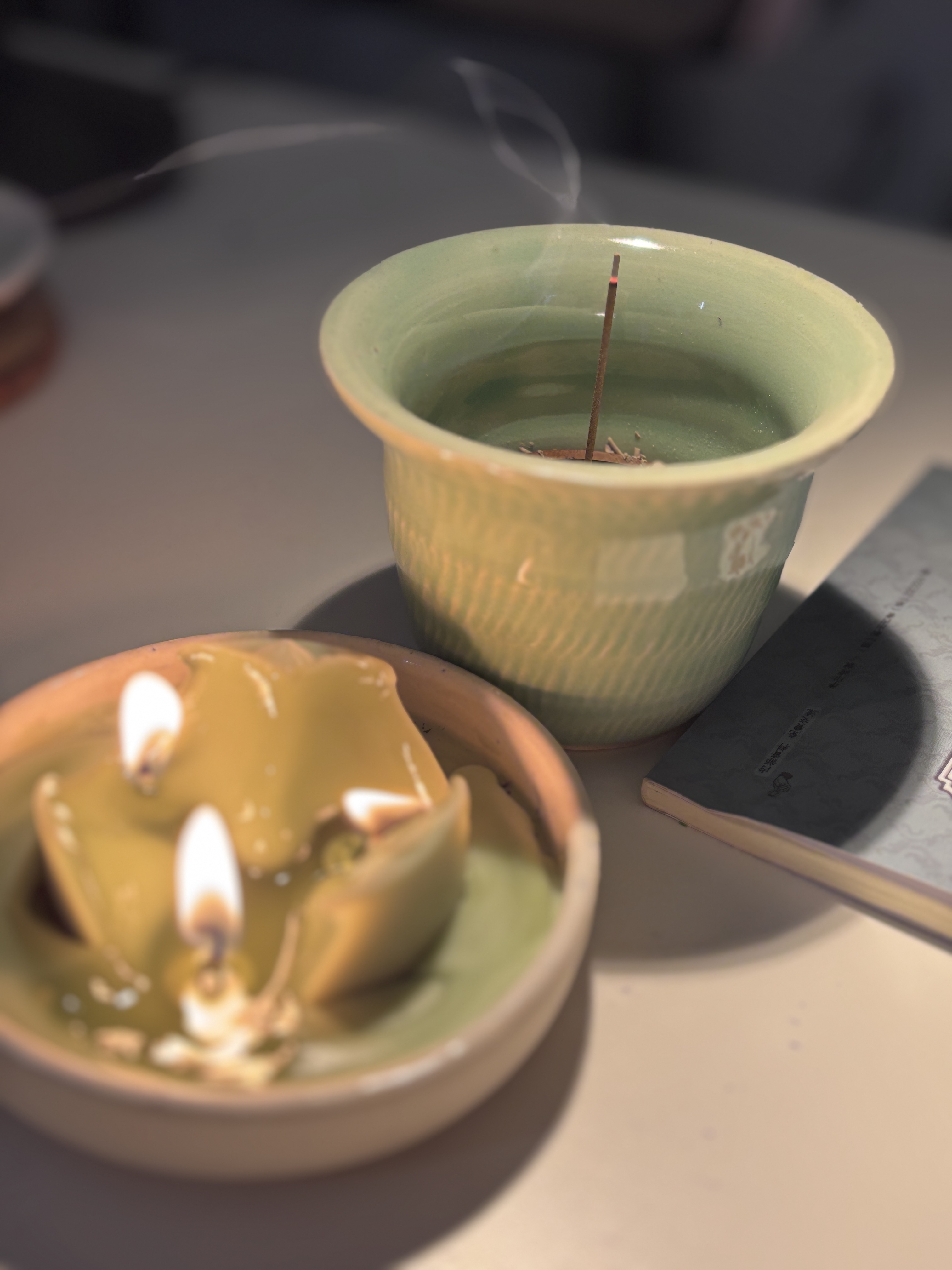
Method 2: A Candle Ceremony for Secret Release
A candle can create a quiet boundary around reflection: a beginning when it is lit and an ending when it is extinguished. It does not remove a memory or guarantee emotional healing. Its purpose is to help you slow down and give your intention a visible focal point.
A simple secret-release candle ceremony
Place the candle on a stable, heat-resistant surface away from drafts and anything flammable.
Sit comfortably and take three slow breaths.
Name the feeling without naming the secret: “This is guilt,” “This is grief,” or “This is fear.”
Ask: “What part of this is mine to carry, and what part can I release?”
Write one sentence describing what you are ready to put down.
Watch the flame for a minute while breathing naturally. Imagine creating space around the feeling rather than forcing it away.
Say: “I can honor what happened without reliving it every moment.”
Extinguish the candle safely. Do not use the flame to destroy paper indoors.
If you want a candle created specifically to hold space for private reflection, explore the Secret Soothing Candle / SDC Candle. Use it as a personal ritual object—not as a replacement for professional care.
Never leave a burning candle unattended. Keep it away from children, pets, curtains, bedding, and other flammable materials, and follow all instructions supplied with the candle.
Method 3: Journal and Destroy
For a simpler practice, divide one page into three parts:
What happened inside me: Write the thoughts, sensations, and emotions the secret brings up.
What I need now: Name a need such as safety, forgiveness, clarity, accountability, rest, or support.
What I choose next: Identify one action that does not require revealing the secret—for example, setting a boundary, changing a pattern, booking a confidential consultation, or practicing self-compassion.
Underline the sentence that feels most true, then shred or soak the original page.
Destroying the page protects privacy, but it should not be used to destroy evidence, evade accountability, or conceal information that someone needs for immediate safety. If the secret involves a crime, abuse, danger, or a legal duty, get confidential professional advice before deleting relevant records.
What to Write When You Cannot Say It Out Loud
You do not need to describe the event. Try these prompts:
The hardest part of carrying this is…
When this secret returns to my mind, I feel…
I am afraid that if people knew, they would…
What I wish someone could understand—without knowing the details—is…
The part I am responsible for is…
The part that was never mine to carry is…
If shame were not making the decision, my next safe step would be…
The boundary I need now is…
I want my life to become larger than this secret by…
An example that protects the details
Instead of recording names and events, write: “I regret a choice I made. I want to understand it, stop repeating the pattern, and decide on my next responsible step when I feel calm.”
After the Release: What Might You Feel?
Emotional release is rarely a dramatic, permanent disappearance. You might feel lighter, tired, numb, tearful, calm, skeptical, or unchanged. Any of those reactions can happen.
The secret may return to your mind later. That does not mean the practice failed. A more realistic sign of progress is that the thought has less urgency, you recover more quickly after it appears, or you can respond with curiosity instead of immediate shame.
Afterward, hydrate, rest, or do an ordinary task that reconnects you with the present. Avoid major decisions while emotionally flooded. When you feel steadier, ask:
“Does this secret require release, repair, disclosure, protection, or professional guidance?”
Sometimes more than one answer is true.
When to Seek Professional Support
Private rituals can help, but some secrets need confidential professional support—especially when they affect sleep, work, relationships, health, or daily functioning.
Consider speaking with a licensed mental-health professional if:
thoughts about the secret feel intrusive or impossible to control;
you experience persistent anxiety, depression, panic, shame, or isolation;
the secret involves trauma, abuse, coercion, self-harm, addiction, or danger;
you are unsure whether disclosure could put you or someone else at risk;
you need help making amends without causing further harm.
You can begin without revealing every detail. Try saying: “I am carrying something I am not ready to describe. Can you help me work with the fear and shame around it, and explain the limits of confidentiality before I share more?”
If there is immediate danger, or you may harm yourself or someone else, contact local emergency services or a crisis service now. If legal consequences or reporting duties may be involved, consult a qualified lawyer or relevant professional about confidentiality before sharing details.
You Are More Than What You Carry
Learning how to let go of a secret does not mean denying responsibility, erasing the past, or promising never to tell. It means recognizing that constant suffering is not the only way to prove that something mattered.
Write what you can. Name the emotion. Choose a safe symbolic ending. Then take one grounded step toward the life you want beyond the secret.
You do not have to tell everyone. You do not have to decide everything today. But you are allowed to begin releasing the weight.
Frequently Asked Questions
Can you emotionally release a secret without telling anyone?
Yes. Private writing, symbolic rituals, and confidential therapy can help you process the feelings without sharing factual details. Emotional release does not settle legal, ethical, or safety responsibilities.
Does writing down a secret help?
Writing can help you organize thoughts and name emotions, but results differ from person to person. You can write about the emotional impact rather than the details, then securely destroy the page if privacy matters.
Is burning a letter necessary for letting go?
No. Tearing, shredding, soaking, or simply closing a journal can serve the same symbolic purpose. Choose the safest method. Never burn paper in an unsafe or prohibited setting.
What if the secret keeps coming back after the ritual?
That is normal. A ritual is a marker, not a memory eraser. Repeat a grounding practice, notice whether the thought becomes less intense over time, and seek professional support if it continues to cause significant distress.
Do I have to tell a therapist the secret?
You can start by discussing the emotions and asking about confidentiality and its limits. A therapist can explain what information they may be legally required to report in your location before you decide what details to share.